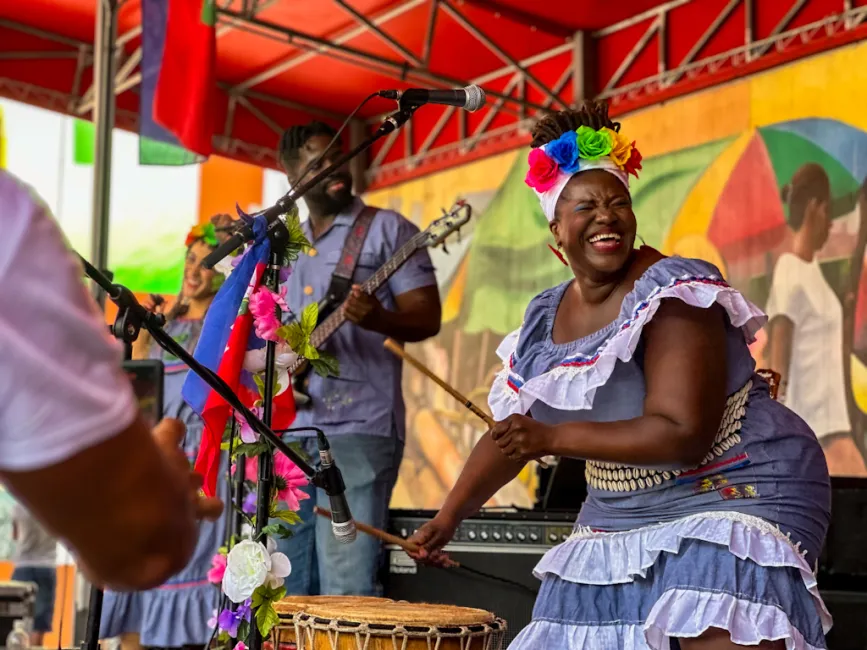

When you step into Miami’s Little Haiti, you’re stepping into one of the city’s most vibrant neighborhoods — a hub of Haitian culture, food, art, and community that feels like a trip to Port-au-Prince without leaving Florida. Far from being just a stopover, Little Haiti deserves a spot at the top of your Miami itinerary. Here’s why.
A Cultural Heartbeat in Miami
Little Haiti is more than a neighborhood — it’s a cultural anchor for Haitian immigrants and the wider Caribbean community. Murals splashed with bold colors line the streets, while music spills from local shops and cafés. The neighborhood is alive with Creole language, traditional markets, and the kind of warmth that makes visitors feel instantly at home.
Art Everywhere You Look
Haiti has long been known for its art, and Little Haiti carries that legacy proudly. The Little Haiti Cultural Complex is the centerpiece, showcasing local and international Haitian artists through galleries, performances, and community workshops. Just walking the neighborhood, you’ll encounter vibrant murals and craft shops filled with hand-carved woodwork, beadwork, and paintings.
Food That Feels Like Home
If there’s one reason to visit, it’s the food. Little Haiti is packed with authentic Haitian restaurants serving classics like griyo (fried pork), diri ak pwa (rice and beans), and pikliz (spicy pickled slaw). Don’t miss the Haitian bakeries for patties filled with beef or salted fish, and make sure to grab a plate of tasso kabrit (fried goat) or a refreshing fresco on a hot afternoon.
Festivals and Music
Haitian music is central to the neighborhood’s rhythm. From live kompa bands to street celebrations, there’s always a reason to dance. The annual Sounds of Haiti festival brings together food, art, and live music for a community-wide celebration that draws crowds from across Miami.
A Place of History and Pride
Little Haiti is also a neighborhood of resilience, activism, and heritage. Created by Haitian immigrants who arrived in Miami in large numbers during the 1980s, it has become a landmark of Haitian identity in the U.S. Visiting here is not just about sightseeing — it’s about honoring the community that built it and continues to thrive despite pressures of gentrification.
What to Know Before You Go
- Where: Just north of Wynwood and the Design District, easily accessible by car or public transport.
- When to visit: Weekends are ideal, especially if you want to catch live music or markets.
- Don’t miss: The Little Haiti Cultural Complex, Caribbean Marketplace, and sampling griyo at a neighborhood restaurant.
Want to explore more?
Check out our directory to find businesses related to this article.
Browse Directory